
Whoa! This whole Solana NFT scene moves fast. My first take was: buy low, list high, right? Actually, wait—there’s more to it. Initially I thought wallets were all the same, but then reality hit: web wallets, especially a web-first Phantom, change the UX and the risks in subtle ways. Something felt off about treating the web interface like a browser-only toy. I’m biased, but a good web wallet can be the difference between a smooth flip and a nightmare recovery.
Short version: if you want to handle NFTs on Solana without juggling desktop extensions or command-line tools, a solid web wallet is what you want. Seriously? Yep. But you do need to know how accounts, metadata, and marketplaces play together on Solana. The ecosystem uses the Token Metadata program (Metaplex) for most NFTs, but you’ll also see compressed NFTs and some custom listing flows. That matters when you transfer or list a piece, because not all wallets and marketplaces support every flavor—so check twice. Somethin’ as simple as a missing metadata pointer can make your NFT look broken in a marketplace even though it’s fine on-chain.
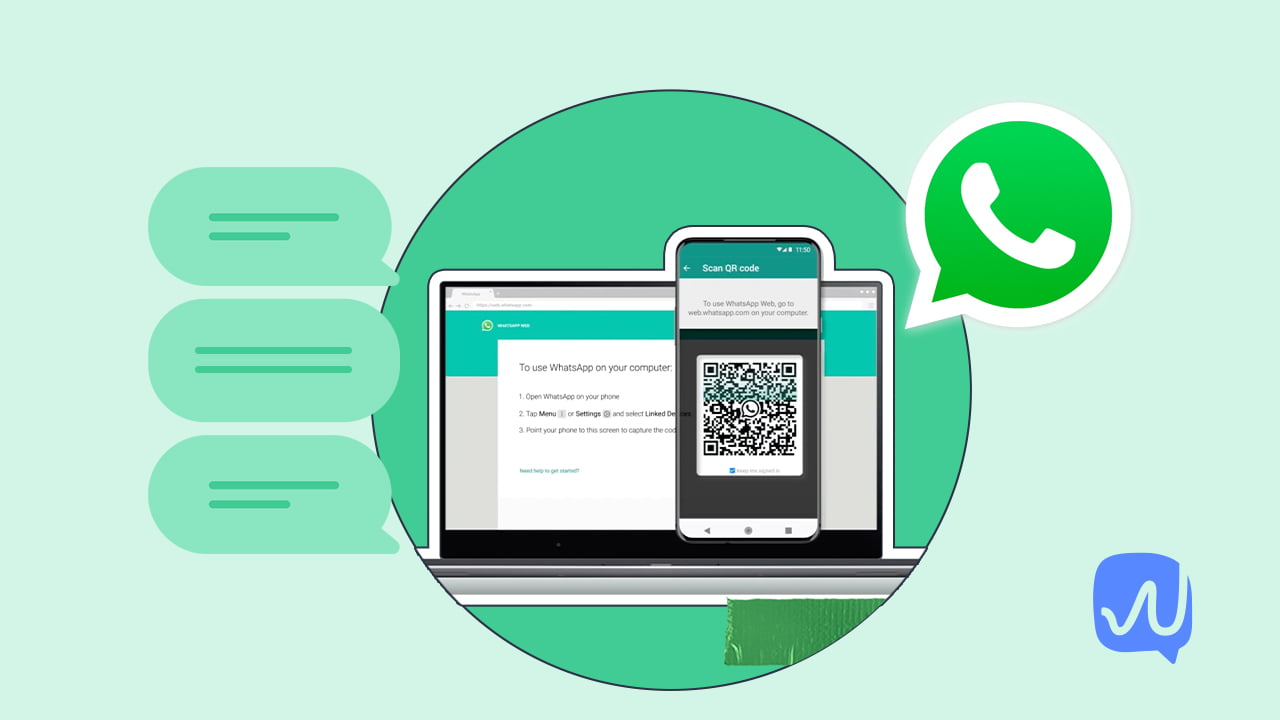
Why choose a web wallet (and what’s different about Phantom Web)
Short answer: convenience. Longer answer: web wallets remove the friction of installing extensions or native apps, which is huge if you switch devices often. On the other hand, web wallets expose you to phishing pages and clipboard attacks more than hardware wallets do. My instinct said “be careful” and then I started tracking the specific UI cues that matter: signature prompts, domain indicators, and the ability to view raw transactions before signing.
Okay, so check this out—phantom web gives a browser-forward experience that feels familiar to people used to web apps. On one hand it streamlines certain flows like minting or accepting a transfer, though actually you still need to verify metadata origins and collection verification badges where possible. On the other hand, no web wallet is a substitute for good operational security: never paste your seed phrase into a webpage, never accept a signature request that asks to transfer all your tokens, and be suspicious of any pop-up that feels rushed.
Connecting and onboarding safely
Step one: verify the site. Short rule of thumb—bookmark the official domain and use it. Seriously. Next: create or import a wallet carefully. If you import from seed, treat the seed like real cash. Do not screenshot it. Do not cloud-sync it unless you know exactly what you’re doing. For new wallets, write the recovery phrase down on paper and store it in two physically separate places. It sounds old-school, but it’s reliable.
When connecting a web wallet to a marketplace or dApp, pause on the signature modal. Read the text. If it mentions “sign to approve spending” or “delegate authority to transfer tokens,” that’s not a harmless site login—it’s granting a programmatic allowance. On Solana, some approvals can be limited to a single transaction; others may be broader. Ask: do I trust this contract? If not, abort. If you want to revoke allowances later, you’ll need to interact with the program or use wallet features that surface active approvals.
Finding and verifying NFTs
Marketplace listings look pretty, but pretty can be deceptive. Always check token metadata and creators. Medium-length note: the Token Metadata account holds crucial details—URI, creators, supply, and more. Long thought: because the metadata URI usually points to off-chain JSON, you should manually inspect that JSON when the item is valuable, and confirm that the creator address (on-chain) matches the project’s official primary address, which reduces impersonation risk.
Another sign: collection verification. Many marketplaces show a “verified” badge when the collection creator has signed the collection. That helps. But also check on-chain history. Transactions are public. You can trace mint transactions and see whether the piece came straight from the project’s treasury or from later resale activity. This isn’t hard, though it takes a few clicks on a block explorer.
Transferring and listing NFTs
Transfers on Solana are usually quick and cheap. Nice! However, know that sending an NFT sometimes requires creating an associated token account for the receiver, which costs a small amount of SOL (rent-exempt balance). If you’re sending to someone who doesn’t have a Solana wallet yet, anticipate that. Some marketplaces and web wallets auto-create these accounts, but not all.
When listing, check the flow: does the marketplace ask for only a listing signature, or for a broader approval? If the latter, you might be allowing a program to move tokens under certain conditions. If you plan to use multiple marketplaces, consider only giving minimal approvals and re-approve per marketplace as needed. It’s tedious but safer. And hey—if you sell something big, transfer proceeds out quickly. Don’t leave high balances in a hot wallet for longer than necessary. I’m not 100% sure this will stop every exploit, but it reduces exposure a lot.
Dealing with compressed NFTs and edge cases
Compressed NFTs lower storage costs and are getting popular. They live on different data structures and sometimes require special marketplace support. If your web wallet shows an NFT but the marketplace can’t list it, compressed format is often the culprit. Check the minting platform’s guidance before you mint. On one hand compressed NFTs are cheaper to mint; on the other, liquidity and tooling are still catching up.
Also: fractionalized NFTs, wrapped NFTs, and off-chain sales slips exist. Each has its own quirks. If you’re handed a wrapped token, verify how to unwrap it and where the underlying asset really lives. If a dApp asks you to “sign a message to prove ownership,” be cautious—signing arbitrary messages can be harmless, but signing transactions that transfer or approve spending is not the same.
Recovery, backups, and moving to cold storage
If your collection gets valuable, move the majority to cold storage. Hardware wallets that support Solana keys are the gold standard. Until then, split your holdings: keep a small active hot-wallet stash for daily use, and put the rest somewhere safer. Double-check recovery phrases periodically. Yes, really—secrets degrade with time if you forget details like which wordlist you used or whether you wrote “wallet2” instead of “wallet1”.
Also, set up secondary contacts or trusted executors if it’s financially meaningful. I’m biased, but estate planning for NFTs will be a thing. Someday you’ll be glad you left instructions.
FAQ: Quick answers for common worries
Can I use Phantom Web on any browser?
Mostly yes. Modern Chromium-based browsers work best. Some mobile browsers have limitations with pop-ups or deep link handling. If a signature modal doesn’t appear, try a different browser or check for blockers. Really simple fixes usually solve 90% of connection hiccups.
How do I spot phishing sites?
Look for subtle misspellings and domain differences. Check the SSL certificate padlock (yeah, it’s basic), verify social channels and pinned URLs, and don’t trust unsolicited links in DMs. If a site asks you to paste your seed or heavily pressure you for a signature, leave. Seriously—leave.
What about gas and fees?
Solana fees are low, but wallet operations sometimes require SOL for account creation. Keep a small SOL buffer for those rent-exempt fees. If a transaction fails, it can still consume compute units and require resubmission—so monitor balances.